
From revered to reviled (Invasive Carp part 2)
Episode 5
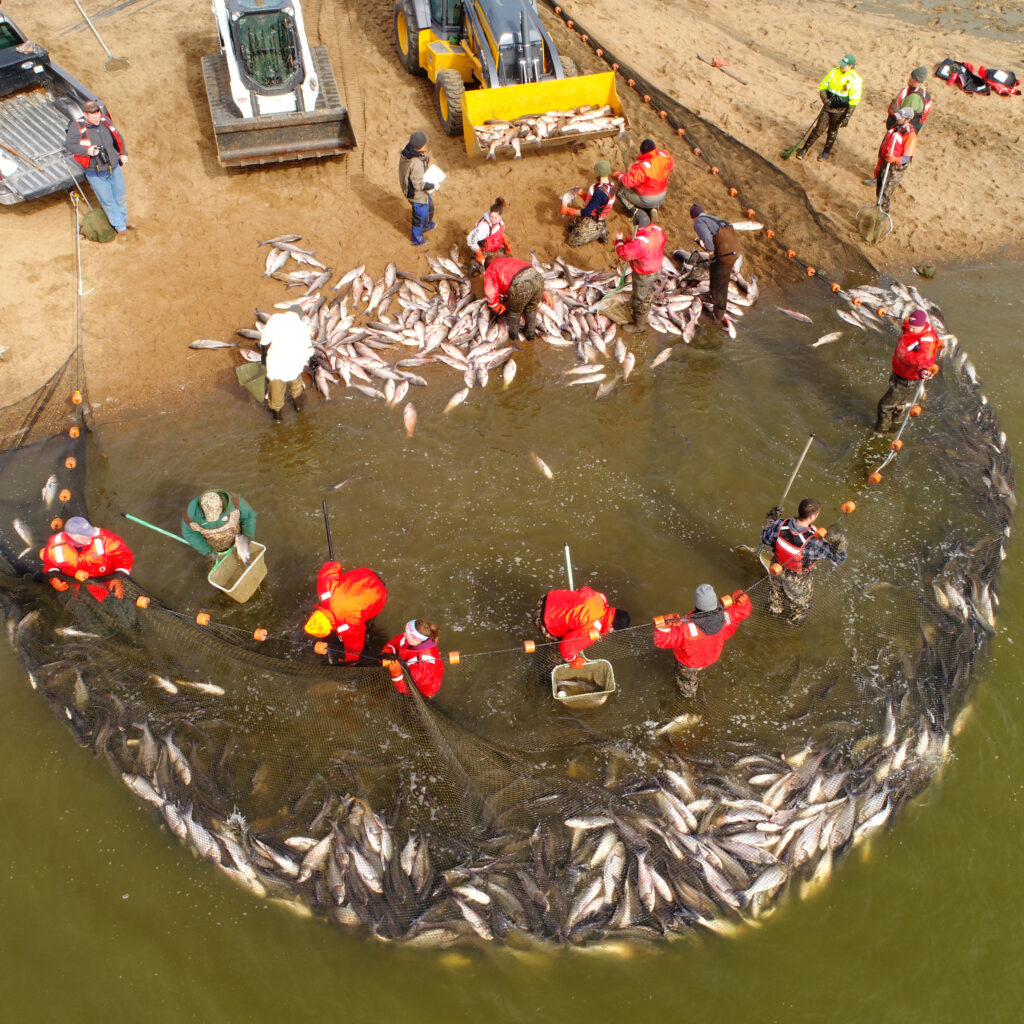
Silver, bighead, black and grass carp were imported from Asia to North America in the 1970s to control algae in human-made ponds. Within ten years, carp had escaped and started multiplying in the Mississippi River system and beyond. This group of carp gained a bad reputation in the United States, with media coverage about the “carp rampage,” “the most hated fish on the Mississippi,” “Americans’ poison” and “the carp crisis.” But in their native range of China, people have been fishing for and farming silver, bighead, black and grass carp for thousands of years. How does a group of fish revered in their home range come to be some of America’s most reviled villains?
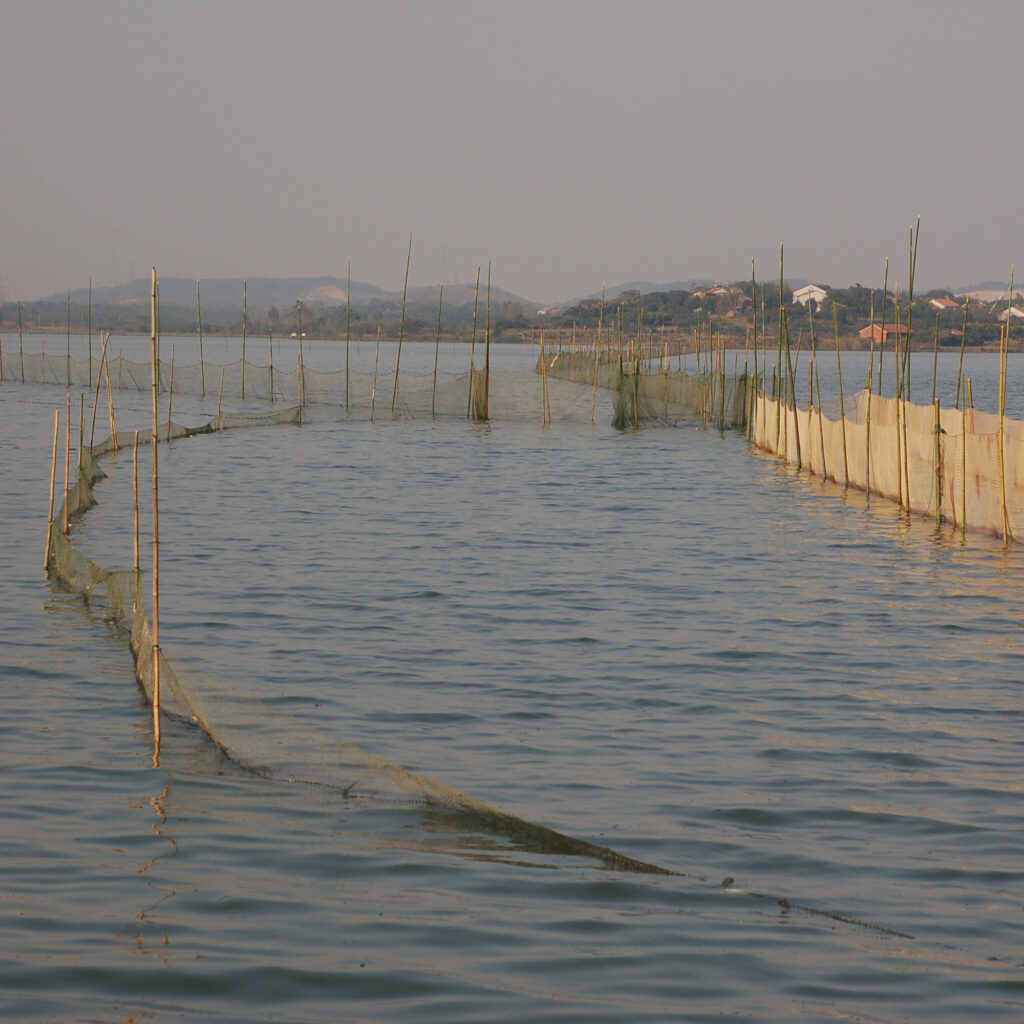
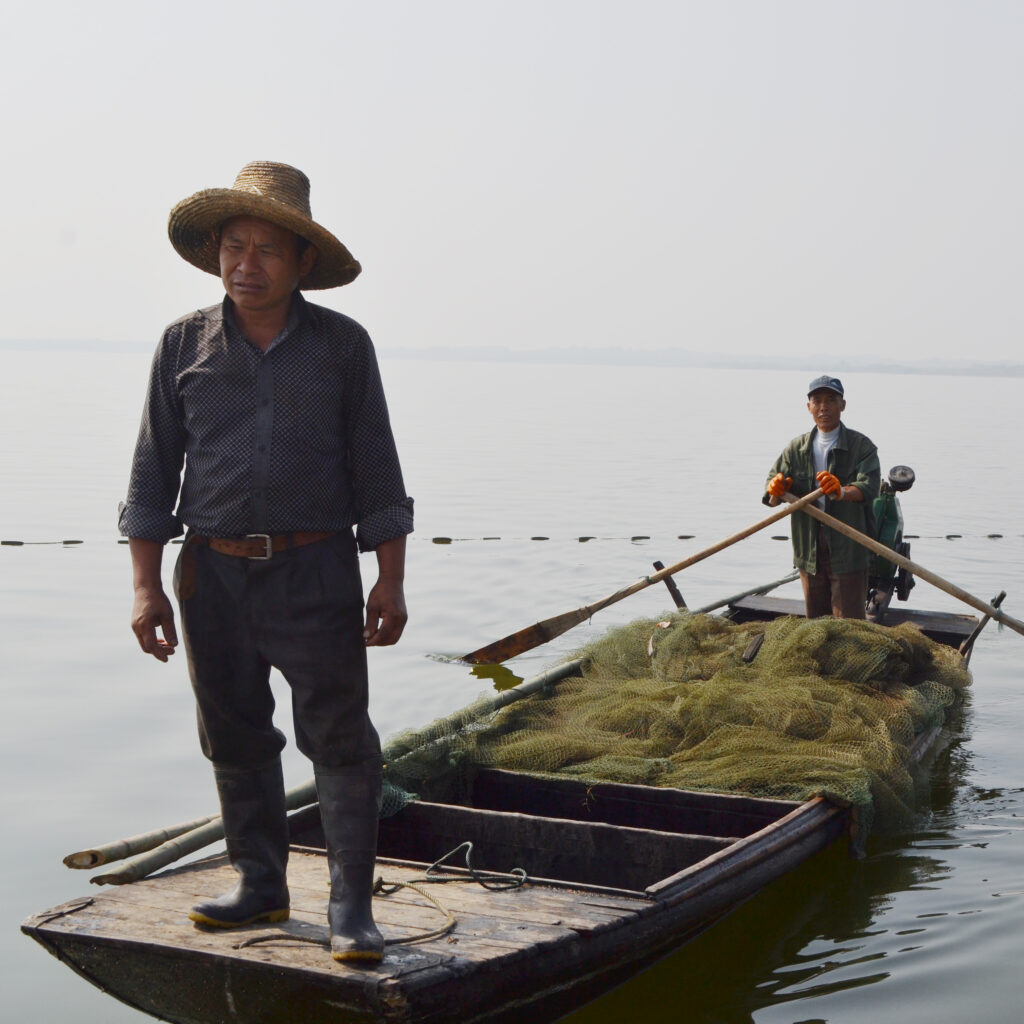
We spoke with Dr. Yushun Chen, who explains that in China, carp are an important fish, both culturally and economically. In his region near Wuhan, carp are a diet mainstay, eaten in dishes like a delicious soup. The four fish coexist extremely well together in a pond system, which allows fish farmers to harvest large amounts of fish each day and bring fresh product to the market.
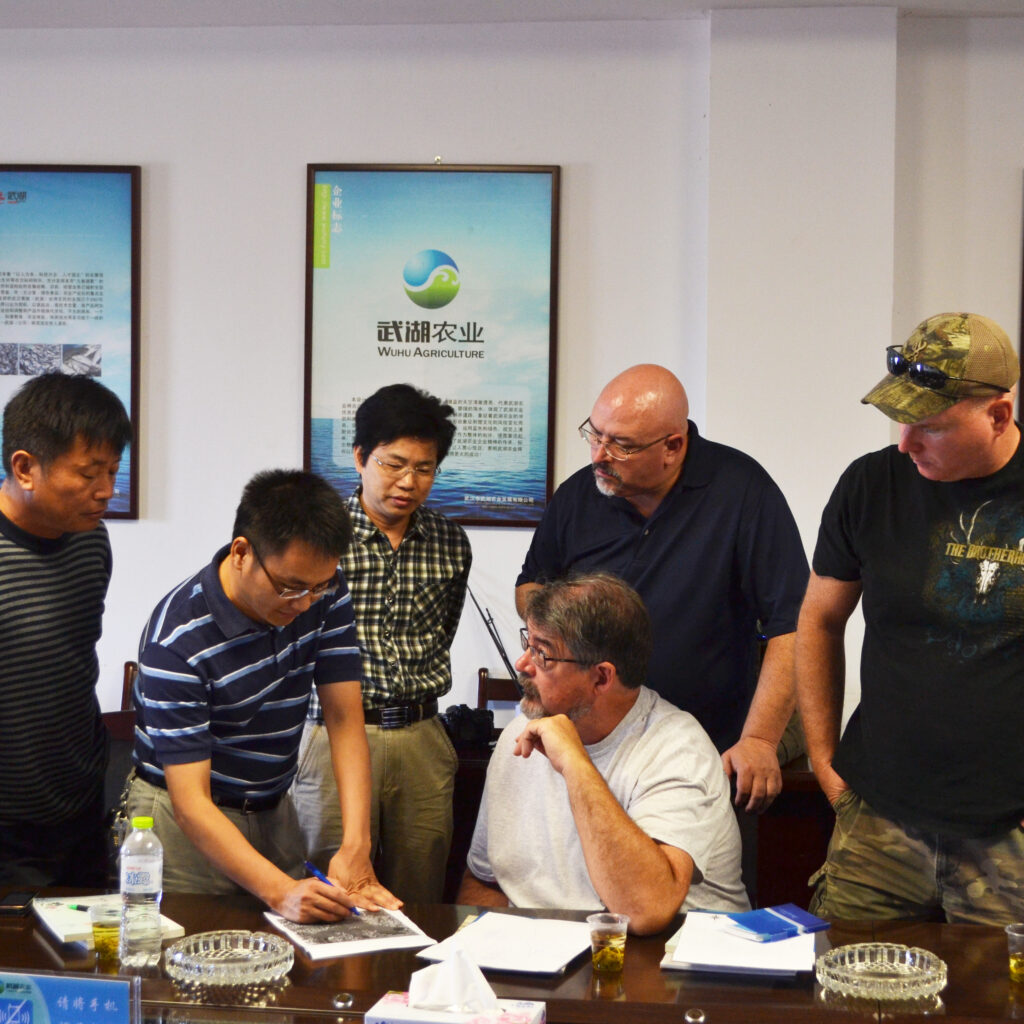
These Chinese harvest methods piqued the interest of Duane Chapman, a leading carp researcher in the United States. We talk to Duane about his trips to China, visits with Chinese researchers and commercial fishers, and about harvesting methods that might work to capture and remove nuisance carp from ravaged ecosystems here in the United States.
While the United States is struggling with too many nuisance carp, China’s wild carp population is dwindling because of fishing pressure. Can Yushun, Duane and their other partners find ways to help the United States control its overabundance of carp, and simultaneously, help China reestablish carp in their lakes and rivers?
Thanks to our guests
Duane Chapman, US Geological Survey
Yushun Chen, Institute of Hydrobiology, Chinese Academy of Sciences, Wuhan, China
Rebecca Schroeder, Invasive Species Centre, Ontario, Canada
Read more
Flying Fish, Great Dish Video Featuring Duane Chapman
Asian Carp Recipes From Illinois-Indiana Sea Grant
More on the Modified Unified Method
Identifying Bighead, Silver, Black, and Grass Carp
Up-to-Date Information About Asian Carp in the US