
Becoming “invasive”
Episode 9
Who gets to decide where a species belongs? What does it mean for something to be “invasive?” In episode nine, we explore these questions.
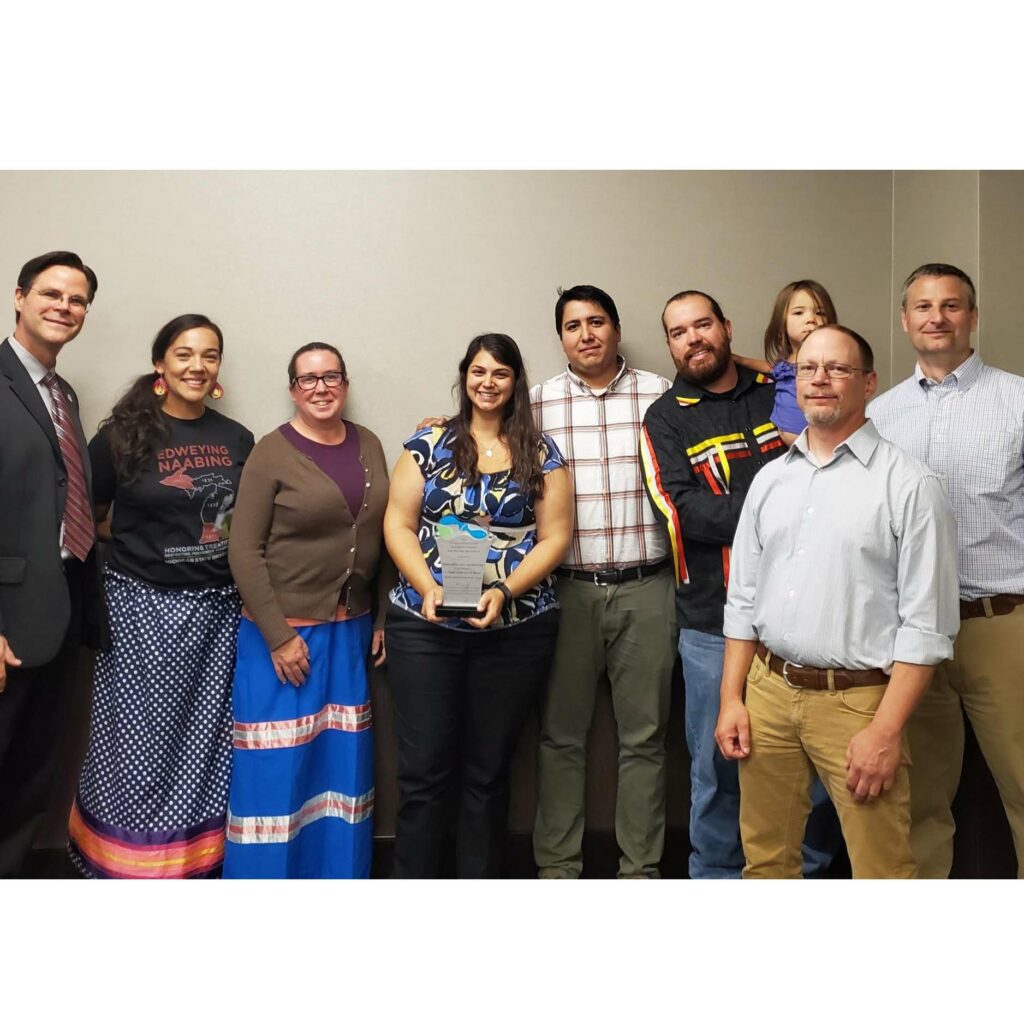
The term “invasive species” is commonly used by researchers and academics. But as the authors of the Dibaginjigaadeg Anishinaabe Ezhitwaad – A Tribal Climate Adaptation Menu developed the indigenous resilience guide, they spent long hours reckoning with the term “invasive,” along with a slew of other Western terms like “climate change” and “management.” We speak to Jerry Jondreau, Katy Bressette and Melonee Montano about the team’s use of the term “non-local beings” and the Ojibwemowin phrase bakaan ingoji ga-ondaadag.
Scholar Paul Robbins has also thought a lot about “invasiveness.” His personal journey with invasive species started with a flat tire in Rajestan, India. Since then, he’s studied human interactions with nature and the politics of natural resource management. “A species is not invasive unless we say it is,” explains Paul.
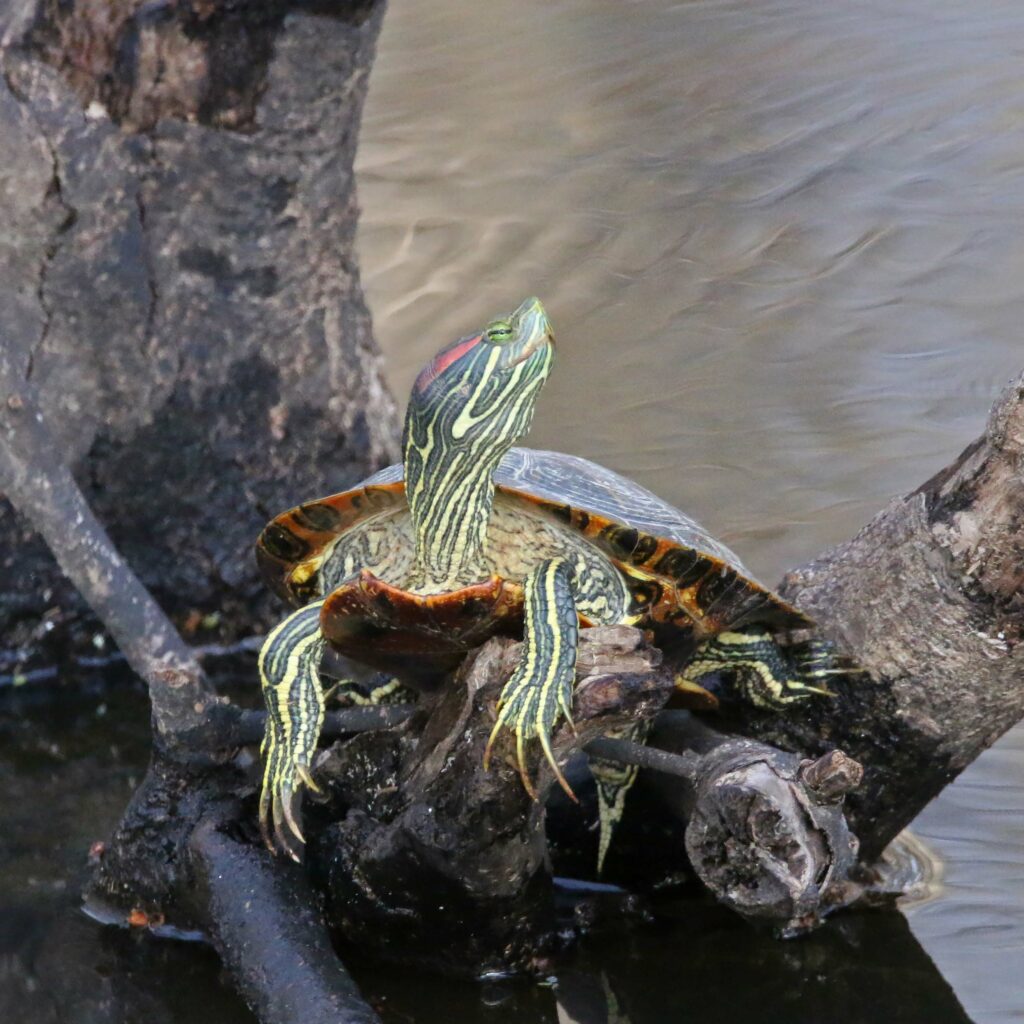
Lastly, we join a group of reptile and amphibian experts who are debating if a popular pet turtle species, the red-eared slider, should be listed as prohibited or restricted in Wisconsin’s invasive species law. (We also drop in on a group of mammal experts deliberating about feral hogs.) Species assessment groups convene every one to two years to discuss the species most capable of causing economic and ecological harm to the state.
Thanks to our guests
Paul Robbins, University of Wisconsin-Madison
Tara Bergeson, Wisconsin Department of Natural Resources
Jerry Jondreau and Katy Bresette, Dynamite Hill Farms
Melonee Montano, Great Lakes Indian Fish and Wildlife Commission
Sara Smith, College of Menominee Nation
Davin Lopez, Wisconsin Department of Natural Resources
Herptile Species Assessment Group members
Mammals Species Assessment Group members
Read more
Dibaginjigaadeg Anishinaabe Ezhitwaad – A Tribal Climate Adaptation Menu
Invasive species Rule NR-40