
Moss balls and mystery seeds
Episode 18
In Moss balls and mystery seeds, we dive deep into two news stories that involved some unexpected international hitchhikers.
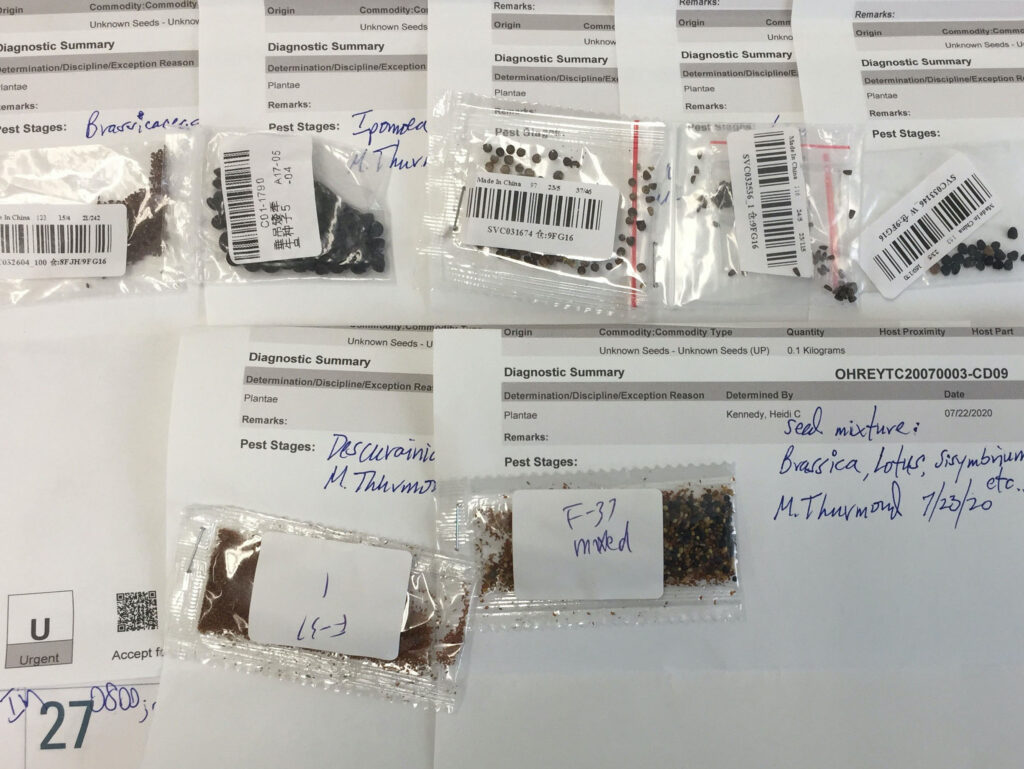
In the summer of 2020, individuals all over the United States started receiving random packages of unsolicited and unidentified seeds. Why was this happening? Were these seeds noxious or invasive? While thousands of packages of seeds piled up for investigation at his U.S. Department of Agriculture office, Christopher Deegan tried to answer these questions.
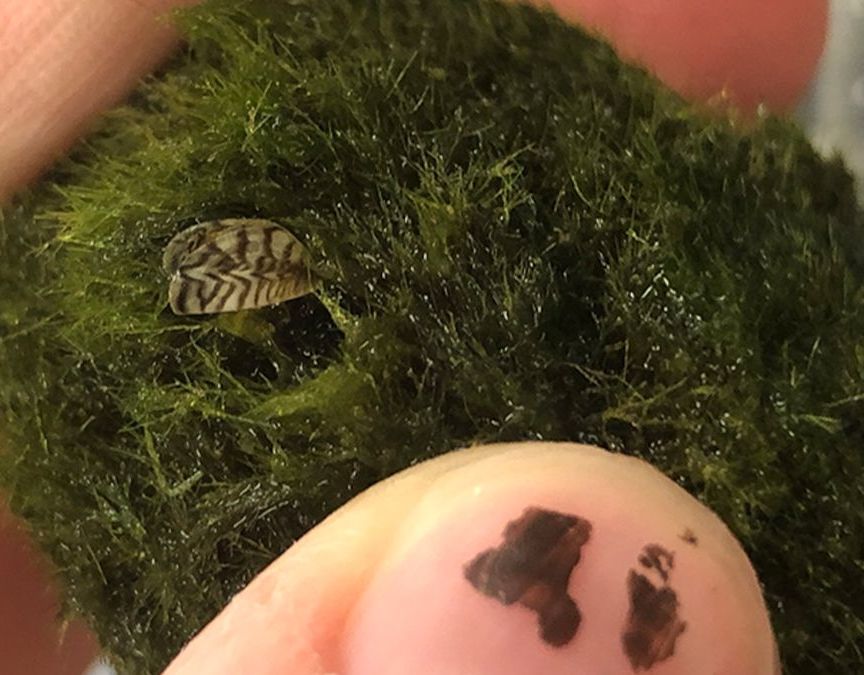
Less than a year later in the spring of 2021, pet stores around the country discovered that the moss balls on their shelves carried a notorious aquatic hitchhiker. Amy Kretlow remembers visiting her local Sheboygan, Wisconsin, pet store only to find zebra mussels on the store’s moss ball stock. Amy spent months helping to deal with this first-of-its-kind international crisis.
Thanks to our guests
Christopher Deegan, U.S. Department of Agriculture
Wesley Daniels, U.S. Geological Survey
Amy Kretlow, Wisconsin Department of Natural Resources
Amy McGovern, U.S. Fish and Wildlife Service
Read more
Report a Nonindigenous Aquatic Species
Nonindigenous Aquatic Species Database – USGS
Destroy! Don’t Dump! – Zebra Mussel Disposal
Hungry Pests – Leave Hungry Pests Behind
Zebra Mussels
Quagga Mussels